Why Does My Baby Scratch Their Head? Causes and What to Do
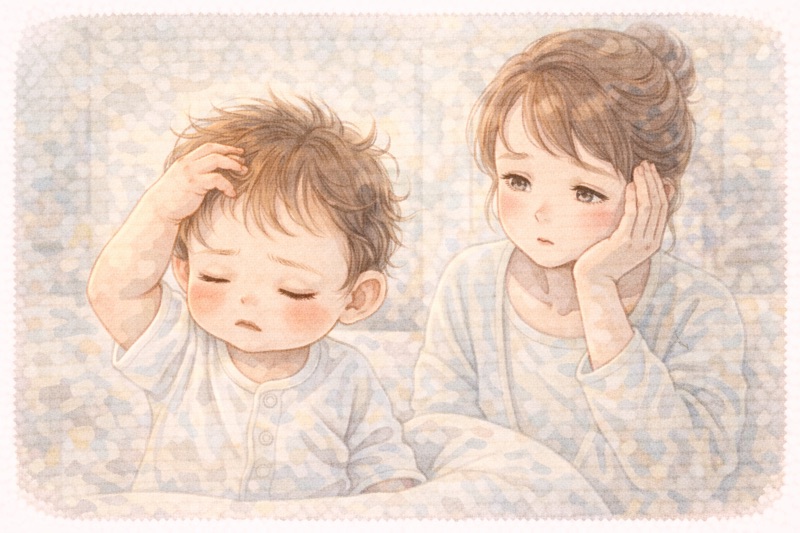 Babies scratch their heads all the time, and it can catch parents completely off guard. One moment your baby looks perfectly content, and the next they are digging their tiny fingers into their scalp like something is desperately wrong. Before you spiral into worry, take a breath. Head scratching in babies is extremely common, and in most cases it is completely manageable once you understand what is behind it.
This guide walks you through the most common reasons babies scratch their heads, how to tell them apart, what you can do at home, and when it is time to call the pediatrician.
It Is More Common Than You Think
Most new parents are not warned about head scratching before their baby arrives. It tends to show up in the newborn stage or in the first few months of life, which is already an overwhelming time. When you see your baby clawing at their scalp, your first instinct might be panic. But scratching is one of those behaviors that shows up for many different reasons, most of them mild and very treatable.
The key is figuring out which cause you are dealing with, because the right response depends entirely on the reason behind the scratching.
Cradle Cap
Cradle cap is probably the most well-known cause of head scratching in young babies. It is a form of seborrheic dermatitis that causes yellowish, greasy, crusty or scaly patches to form on the scalp. It usually appears in the first few weeks of life and can persist through the first year.
Despite how it looks, cradle cap is not caused by poor hygiene and it is not contagious. Doctors believe it is related to overactive oil glands in the skin, possibly influenced by hormones passed from mother to baby during birth. It is not painful or itchy for most babies, but some infants do scratch at the affected areas, particularly as the scales flake off.
What to do at home: Gently massage a small amount of baby oil, coconut oil, or a fragrance-free mineral oil into the scalp and let it sit for fifteen to twenty minutes. Then use a soft baby brush or fine-tooth comb to loosen the scales before shampooing with a gentle baby shampoo. Repeat a few times a week. Avoid picking or peeling the scales with your fingernails, as this can cause irritation or infection.
Cradle cap usually clears up on its own by the time a baby is twelve months old. If it spreads to the face, behind the ears, or into skin folds, or if it becomes red and inflamed, consult your pediatrician.
Dry Scalp
Babies have very sensitive skin that loses moisture quickly, especially in dry climates or during winter months when indoor heating removes humidity from the air. A dry scalp can cause flaking and itching that leads to scratching.
Unlike cradle cap, the flakes from a dry scalp tend to be small, white, and powdery rather than thick and yellow. The scalp itself may look slightly tight or dull.
What to do at home: Use a gentle, fragrance-free baby shampoo no more than two or three times a week. Over-washing strips natural oils from the scalp. After bath time, gently moisturize the scalp with a baby-safe lotion or a small amount of coconut oil. A cool-mist humidifier in the nursery can also help maintain healthy skin moisture levels, especially during dry seasons.
Baby Eczema on the Scalp
Eczema, also known as atopic dermatitis, can affect the scalp just as it affects other parts of the body. Babies with eczema tend to have skin that is extra sensitive to irritants and environmental triggers. Scalp eczema may look red, dry, and inflamed. It often causes significant itching, which is why babies scratch intensely and may seem distressed.
Babies with a family history of eczema, asthma, or allergies are more likely to develop the condition. Triggers can include certain fabrics, detergents, heat, sweat, or specific foods if breastfeeding.
What to do at home: Keep bath time short and use lukewarm water rather than hot. Choose unscented, hypoallergenic shampoo and body wash. Apply a fragrance-free emollient or baby-safe moisturizer immediately after bathing while the skin is still slightly damp to lock in moisture. Dress your baby in soft, breathable cotton fabrics and avoid wool or synthetic materials directly on the skin.
If the eczema is severe, covering large areas, or causing your baby significant distress, speak to your pediatrician. They may recommend a mild topical steroid cream or refer you to a pediatric dermatologist.
Hair Tourniquet Syndrome
This one is less common but important to know about. A hair tourniquet occurs when a strand of hair or thread wraps tightly around a baby's finger, toe, or in rare cases, around a body part like the penis. When it happens on the scalp, it is technically not a tourniquet in the same sense, but loose hairs from a parent's head can sometimes become tangled in a baby's hair or catch on a hair accessory, causing discomfort that prompts scratching.
Always check for stray hairs or threads if your baby seems suddenly irritated and cannot be soothed.
Milia or Newborn Acne
Some newborns develop small white or red bumps on their scalp and face in the first weeks of life. These are usually milia or newborn acne, both caused by hormonal changes after birth. They tend to look worse than they feel, but some babies do scratch at them.
These conditions resolve on their own without treatment. Do not apply any cream or lotion unless advised by your doctor.
When to See a Doctor
Take your baby to the pediatrician if the scratching is intense enough to break the skin, if you notice open sores or signs of infection like oozing, crusting, or redness, if there are bald patches forming, if the rash or flaking spreads beyond the scalp, or if your baby seems particularly uncomfortable or difficult to soothe.
Keeping Nails Short Matters
Regardless of the cause of head scratching, keeping your baby's nails trimmed short helps prevent skin damage. Baby nails grow surprisingly quickly. Use a baby nail file or baby-specific nail clippers, ideally when your baby is asleep or feeding, when they are least likely to move suddenly.


댓글
댓글 쓰기