I Trusted This Baby Formula — Then I Read the Label
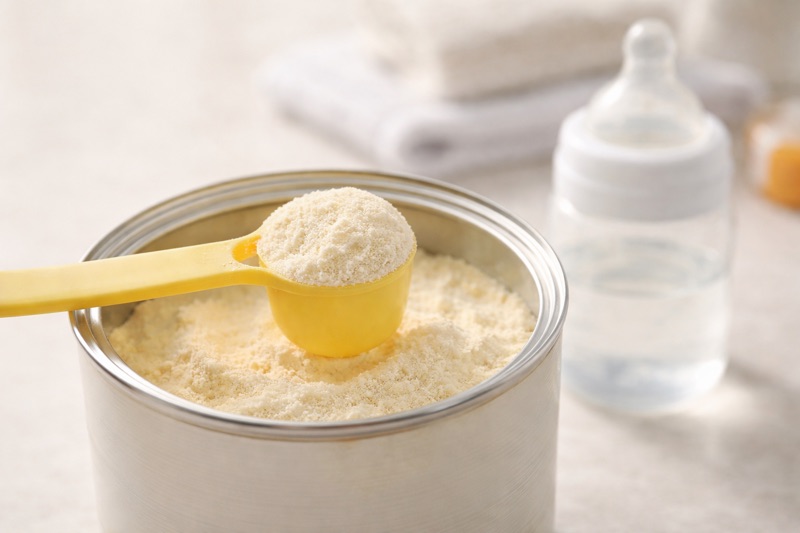 I didn’t panic at first.
Millions of parents use baby formula every day.
It’s regulated. It’s tested. It’s supposed to be safe.
But one night, while preparing a bottle, I did something I hadn’t done before.
I actually read the ingredient list.
That was the moment my confidence cracked.
“Approved” Doesn’t Mean “Problem-Free”
The formula I was using is extremely popular in Europe and Asia.
Parents often describe it as “clean,” “premium,” or “closest to breast milk.”
But approval doesn’t mean perfect.
Some ingredients raised questions — not because they are illegal, but because parents are rarely told what they actually do.
Ingredients Parents Should Pause and Look Up
I’m not saying these ingredients are “toxic.”
I am saying parents deserve to understand them.
1. Maltodextrin
Often used as a carbohydrate source.
- High glycemic index
- Can spike blood sugar quickly
- Sometimes used to replace lactose
Many parents assume “no added sugar” means no blood sugar impact.
That’s not always true.
2. Vegetable Oils (Palm Oil Blends)
Common in formula fat composition.
- Can affect calcium absorption
- May contribute to firmer stools
- Added to mimic fatty acid profile, not digestion
Some babies tolerate it well.
Others don’t — and no one warns you ahead of time.
3. Synthetic Vitamins
Necessary, but not always absorbed the same way as natural sources.
- Stability over bioavailability
- Heat-processed during manufacturing
- Can differ significantly from breast milk nutrients
Again, not dangerous, but also not identical.
The Real Problem Isn’t the Formula
The real problem is this:
Parents are told to “just trust the brand”
instead of being taught what to look for.
No one explains:
- Why one carb source is chosen over another
- How fat composition affects digestion
- Why two formulas with similar labels behave very differently in real babies
So when something goes wrong, parents blame themselves.
What I Wish I Had Known Earlier
If you’re choosing formula, don’t just compare brands.
Check:
- Primary carbohydrate source
- Type of fat used
- Whether your baby shows digestive stress
- How your baby behaves after feeding, not just during
And most importantly:
If something feels off, it probably is.
This Isn’t Fear. It’s Awareness.
Formula saves lives.
It feeds millions of babies safely.
But blind trust helps no one.
Understanding helps parents make calmer, faster decisions —
especially at 2 a.m. with a crying baby and a half-filled bottle in your hand.
Final Thought
I didn’t stop using formula overnight.
I just stopped assuming all formulas were the same.
And that made all the difference.


댓글
댓글 쓰기