How Much Sleep Does Your Baby Actually Need? A Month-by-Month Guide
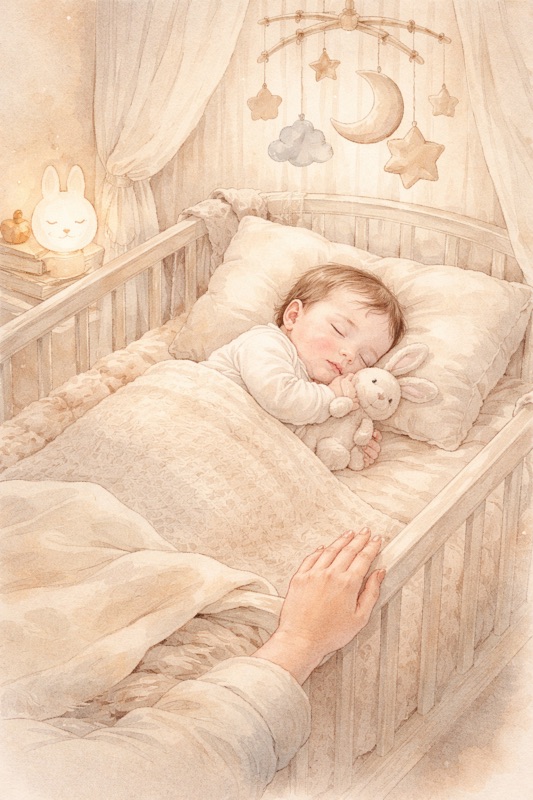 If you're reading this at 3 AM while holding a wide-awake baby, you're not alone. Sleep deprivation is one of the biggest struggles for new parents — and one of the most common questions I get asked is: "Is my baby sleeping too much? Or not enough?"
The truth is, there's no single answer. Every baby is different. But there IS a general framework that pediatricians and sleep specialists use, and understanding it changed everything for me.
Why Baby Sleep Is So Different From Adult Sleep
Newborns aren't born with a circadian rhythm. That internal 24-hour clock that tells you when to sleep and wake? Your baby doesn't have one yet. It typically develops somewhere between 3 and 6 months of age, which is why newborn sleep can feel completely random.
On top of that, babies spend about 50% of their sleep time in REM sleep (compared to 20-25% for adults). REM sleep is lighter, more active, and easier to disrupt. So even if your baby is technically getting enough hours, the quality and distribution of that sleep looks very different from yours.
Month-by-Month Sleep Needs: What the Experts Say
Newborn (0–3 Months): 14–17 Hours Per Day
This is the stage that surprises most parents — not because babies sleep too little, but because they sleep in such short bursts. A newborn might sleep 16 hours a day but wake every 2–3 hours, day and night. This is completely normal.
Their stomachs are tiny, so they need to feed frequently. They also haven't learned the difference between night and day yet. What you can do during this stage:
3–6 Months: 14–15 Hours Per Day
This is when many families start to see some consolidation in sleep patterns. Your baby may start sleeping longer stretches at night — sometimes 4–6 hours in a row. The circadian rhythm is beginning to develop, which means your efforts to distinguish day from night will start to pay off.
This is also when the infamous 4-month sleep regression often hits. If your baby was doing well and suddenly started waking every hour again, don't panic. This is a developmental leap, not a step backwards.
6–9 Months: 12–15 Hours Per Day
Most sleep experts consider 6 months to be the earliest appropriate age to begin formal sleep training, if you choose to. By now, many babies are physically capable of sleeping longer stretches without feeding.
A typical 6-month-old might take 2 naps per day (morning and afternoon) and sleep 10–12 hours at night. Total sleep target: around 14 hours.
9–12 Months: 12–14 Hours Per Day
Naps are consolidating. Many babies around 9 months will transition from 3 naps to 2 naps. Watch for signs that your baby is ready for the transition:
1–2 Years: 11–14 Hours Per Day
Most toddlers around 15–18 months will transition to one nap per day. This is one of the biggest sleep transitions of early childhood and can temporarily disrupt nighttime sleep as well.
Signs Your Baby Isn't Getting Enough Sleep
It's not always obvious when a baby is overtired. Unlike adults, overtired babies often fight sleep instead of giving in to it. Here's what to look for:
Tips for Building Healthy Sleep Habits
1. Start a Consistent Bedtime Routine Early
Babies as young as 6–8 weeks can begin benefiting from a simple bedtime routine. It doesn't need to be elaborate. Even just: bath → feed → song → sleep can be enough. The goal is repetition and consistency so your baby's brain learns to associate these cues with sleep.
2. Watch the Wake Windows
A "wake window" is the amount of time your baby can comfortably be awake before they need to sleep again. Keeping your baby awake too long leads to overtiredness — which, paradoxically, makes it harder (not easier) to fall asleep.
Approximate wake windows by age:
3. Create a Sleep-Friendly Environment
Darkness is your best friend. Blackout curtains can make a significant difference, especially for naps. Many families also use white noise to drown out household sounds. The sound level should be similar to the sound of a shower — not too loud, but constant and consistent.
When to Talk to Your Pediatrician
While sleep challenges are common, there are some situations where you should consult your doctor:
Remember: you know your baby best. Trust your instincts, and don't hesitate to seek support when you need it.
Final Thoughts
Sleep is one of the most important things for your baby's development — and for your own sanity. Understanding how much sleep your baby needs at each stage won't fix every sleepless night, but it gives you a framework to work from.
Be patient with yourself and with your baby. These exhausting phases pass faster than they feel like they will, I promise.


댓글
댓글 쓰기