Baby Vaccination Schedule 2026: What Every Parent Needs to Know (Complete Guide)
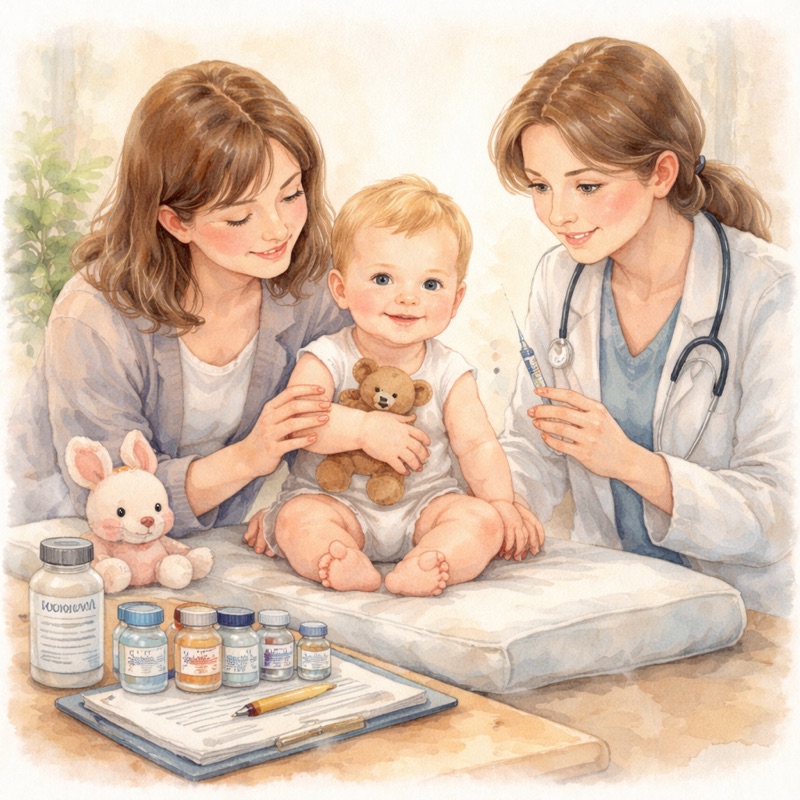 If you’re a new parent, few things feel more overwhelming than the vaccination schedule. Which shots does your baby need? When? What side effects should you expect? And what happens if you miss one?
This complete guide breaks it all down — clearly, honestly, and in a way that actually makes sense at 3 AM when you’re frantically Googling before tomorrow’s pediatrician appointment.
Why Vaccines Matter More Than You Think
Before diving into the schedule, it helps to understand why vaccines exist — not just because your doctor says so, but because the science behind them is genuinely remarkable.
Vaccines work by training your baby’s immune system to recognize and fight specific diseases — without your child having to actually get sick. When enough people in a community are vaccinated, it creates what’s called herd immunity, which also protects babies who are too young to be vaccinated yet.
Diseases like measles, whooping cough, and polio that once killed or disabled millions of children are now rare — almost entirely because of vaccines.
💡 Key fact: According to the CDC, vaccines prevent approximately 4 million deaths every year worldwide.
The Recommended Baby Vaccination Schedule (2026)
The schedule below follows the guidelines from the CDC (Centers for Disease Control and Prevention) and the American Academy of Pediatrics (AAP). Always confirm with your child’s pediatrician, as schedules can vary slightly by country and individual health needs.
🏥 At Birth
Hepatitis B (HepB) — 1st dose
This is often given within the first 24 hours of birth, right in the hospital. Hepatitis B is a serious liver infection spread through blood and bodily fluids. Starting protection at birth ensures your baby is covered from day one.
What to expect: Mild fussiness or soreness at the injection site. Usually resolves within 24–48 hours.
👶 1–2 Months
Hepatitis B (HepB) — 2nd dose
The second dose of hepatitis B is typically given at the 1-month or 2-month visit, depending on your pediatrician’s schedule.
👶 2 Months
This is often called the “big vaccine visit” — and for good reason. Your baby receives several vaccines at once.
DTaP — 1st dose
Protects against Diphtheria, Tetanus, and Pertussis (whooping cough). Whooping cough is especially dangerous for infants under 6 months and can be life-threatening.
Hib — 1st dose
Protects against Haemophilus influenzae type b, which can cause meningitis, pneumonia, and other serious infections.
IPV (Polio) — 1st dose
Polio can cause permanent paralysis. Though rare today, it still exists in some parts of the world, and vaccination is critical.
PCV15 or PCV20 — 1st dose
Pneumococcal vaccine protects against pneumonia, meningitis, and blood infections caused by Streptococcus pneumoniae.
RV (Rotavirus) — 1st dose
Rotavirus is the leading cause of severe diarrhea and dehydration in babies. This vaccine is given orally (not as a shot — small win!).
What to expect: Your baby may be fussier than usual for 1–2 days. A low-grade fever (under 101°F / 38.3°C) is common and normal. Offer extra comfort, nursing, or formula feeding.
💡 Parent tip: Schedule the 2-month appointment in the morning so you have the full day to comfort your baby if needed. And don’t plan anything demanding for that afternoon.
👶 4 Months
DTaP — 2nd dose
Hib — 2nd dose
IPV — 2nd dose
PCV — 2nd dose
RV — 2nd dose
Similar to the 2-month visit. Side effects are typically milder the second time around for most babies, though every child is different.
👶 6 Months
DTaP — 3rd dose
Hib — 3rd dose (some formulations)
PCV — 3rd dose
RV — 3rd dose (some formulations)
HepB — 3rd dose
IPV — 3rd dose
Influenza (Flu) — 1st dose
This is when the flu vaccine starts. Babies under 6 months cannot receive the flu shot, which is why it’s so important for parents, siblings, and caregivers to be vaccinated — to create a protective “cocoon” around the baby.
⚠️ Important: At 6 months, if your baby is receiving the flu vaccine for the first time, they’ll need two doses given 4 weeks apart.
🧒 12–15 Months
MMR — 1st dose
The MMR vaccine protects against Measles, Mumps, and Rubella. Measles outbreaks have been increasing globally, making this vaccine more important than ever.
Varicella (Chickenpox) — 1st dose
While many parents remember chickenpox as a childhood rite of passage, it can actually cause serious complications, including bacterial skin infections, pneumonia, and in rare cases, brain damage.
Hib — Final dose
PCV — 4th dose
HepA — 1st dose
Hepatitis A is spread through contaminated food and water and can cause liver disease.
🧒 15–18 Months
DTaP — 4th dose
🧒 18–23 Months
HepA — 2nd dose (6 months after 1st dose)
🧒 4–6 Years (Before Starting School)
DTaP — 5th dose
IPV — 4th dose
MMR — 2nd dose
Varicella — 2nd dose
Influenza — annually every year
This round of vaccines prepares your child for the social environment of school, where exposure to other children increases the risk of disease spread.
What If My Baby Missed a Vaccine?
Life happens. Appointments get rescheduled, babies get sick, or you simply lost track. The good news: you don’t have to start over.
The CDC has a “catch-up” immunization schedule specifically for children who missed vaccines. Your pediatrician can help create a customized plan. Most vaccines can be given later than the recommended age — though the sooner, the better for protection.
💡 Key rule: Never skip a vaccine because you think your child is “too old” for it. Talk to your doctor first.
Common Vaccine Side Effects: What’s Normal vs. What’s Not
✅ Normal Side Effects (No need to worry)
∙ Soreness, redness, or swelling at the injection site
∙ Low-grade fever (under 101°F / 38.3°C)
∙ Fussiness or crying for 1–2 days
∙ Drowsiness or reduced appetite
∙ Small, hard lump at injection site (can last a few weeks)
⚠️ When to Call Your Doctor
∙ Fever over 104°F (40°C)
∙ Crying that lasts more than 3 hours
∙ Seizures or convulsions
∙ Unusual paleness or limpness
∙ Severe allergic reaction (hives, swelling of face, difficulty breathing) — this is rare but call 911 immediately
How to Comfort Your Baby After Shots
Getting multiple shots in one visit is hard — for your baby and for you. Here are evidence-based strategies that actually help:
Before the shots:
Breastfeed or offer formula right before the injection if possible. Studies show that nursing during or immediately after vaccinations significantly reduces crying time.
During the shots:
Hold your baby in your arms (not lying flat on the table). Skin-to-skin contact helps regulate their nervous system. Many pediatricians now encourage parents to hold babies during injections rather than having them on the exam table.
After the shots:
∙ Apply a cool, damp cloth to the injection site
∙ Offer extra nursing or bottle feeding
∙ Use infant acetaminophen (Tylenol) or ibuprofen if recommended by your doctor for fever or pain — always check the correct dosage for your baby’s weight
∙ Keep your baby’s routine as normal as possible
∙ Extra cuddles are always appropriate
Addressing Common Vaccine Concerns
“Are so many vaccines at once safe?”
Yes. Research consistently shows that babies’ immune systems can handle multiple vaccines simultaneously. In fact, babies encounter thousands of antigens (immune-triggering particles) every single day just from their environment. The antigens in all recommended vaccines combined represent a tiny fraction of what their immune system is already managing.
“Do vaccines cause autism?”
No. This claim originated from a 1998 study that was later found to be fraudulent and was retracted. The doctor who authored it lost his medical license. Since then, dozens of large-scale studies involving millions of children across multiple countries have found no link between vaccines and autism. Major medical organizations worldwide — including the WHO, CDC, AAP, and NHS — are unanimous on this.
“What if my baby has a reaction to a vaccine?”
Serious reactions are extremely rare — estimated at less than 1 in a million doses. The risks of the diseases vaccines prevent are far greater than the risks of the vaccines themselves. Report any concerning reactions to your pediatrician and through the Vaccine Adverse Event Reporting System (VAERS).
Keeping Track: Download or Create a Vaccine Record
Every parent should keep a personal copy of their child’s vaccination records, separate from the pediatrician’s office. This is important for:
∙ School enrollment requirements
∙ Travel to certain countries
∙ Emergency medical situations
∙ Transferring to a new doctor
Ask your pediatrician for a printed copy at each visit. You can also use apps like Immunization Scheduler (CDC) or simply a dedicated section in your baby’s health journal.
A Note for Parents Who Feel Anxious
It’s completely normal to feel nervous about vaccinations — especially watching your baby cry after shots. Many parents describe feeling guilty, even knowing logically that vaccines are the right choice.
Here’s a perspective that helps many parents: every time you take your baby in for their scheduled vaccines, you are actively choosing to protect them. You’re giving their immune system the tools it needs to fight diseases that once killed children by the millions.
That shot that made them cry for five minutes? It may protect them for a lifetime.
You’re doing great.
Final Thoughts
The vaccination schedule can feel like a lot — especially in that first year when appointments seem constant. But each visit, each vaccine, and each brief moment of discomfort is building a powerful, lasting shield around your child.
Stay organized, communicate openly with your pediatrician, and don’t hesitate to ask questions. No question is too small when it comes to your baby’s health.
This article is for informational purposes only and does not replace professional medical advice. Always consult your child’s pediatrician for personalized guidance.


댓글
댓글 쓰기