Baby Eczema & Atopic Skin: A Complete Guide for New Parents (2026)
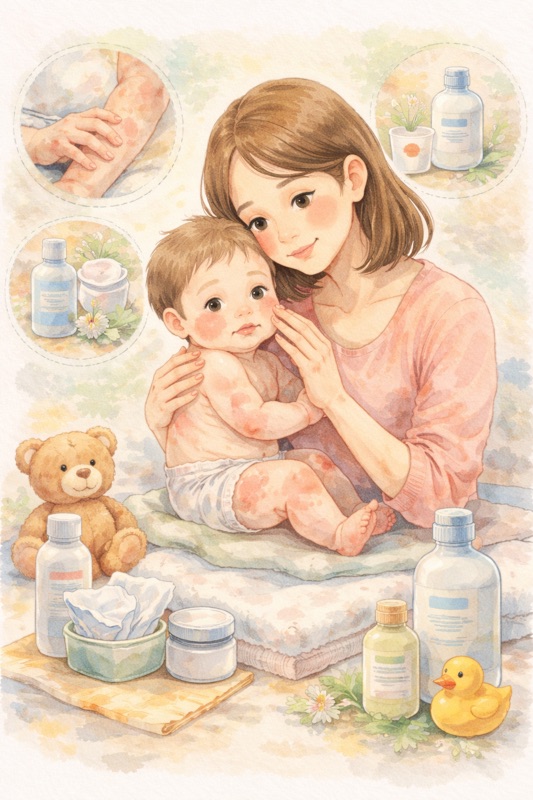 Is your baby’s skin red, dry, or constantly itchy? You’re not alone — eczema affects up to 20% of infants worldwide. Here’s everything you need to know to soothe and protect your baby’s sensitive skin.
What Is Baby Eczema (Atopic Dermatitis)?
Eczema, also called atopic dermatitis, is a chronic skin condition that causes the skin to become dry, itchy, and inflamed. It’s extremely common in babies and toddlers, and while it can look alarming, it is manageable with the right routine.
The condition occurs when the skin’s natural barrier is weakened, making it harder to retain moisture and easier for irritants to get in. Many babies with eczema also have a family history of allergies, asthma, or hay fever.
Signs Your Baby May Have Eczema
It can be easy to mistake eczema for regular dry skin. Here’s what to look for:
Common symptoms include: red or brownish patches on the skin, dry and scaly skin that feels rough to the touch, intense itching (especially at night), small raised bumps that may weep or crust over, and thickened or cracked skin in severe cases.
Where it appears by age:
In newborns and babies under 6 months, eczema most often appears on the face, forehead, and scalp. In older babies and toddlers, it tends to show up in the elbow creases, behind the knees, wrists, and ankles.
Common Triggers to Avoid
Once your baby is diagnosed with eczema, identifying and avoiding triggers is key. The most common ones are:
Skin irritants such as fragranced soaps, bubble baths, and harsh laundry detergents. Always choose fragrance-free, hypoallergenic products for your baby.
Fabrics like wool or synthetic materials can irritate sensitive skin. Dress your baby in soft, breathable cotton whenever possible.
Heat and sweating can make itching worse. Keep your baby cool, especially during sleep.
Dry air in winter months strips moisture from the skin. A humidifier in the baby’s room can help significantly.
Food allergens — in some babies, certain foods like cow’s milk, eggs, peanuts, or wheat can trigger flare-ups. If you suspect a food trigger, speak with your pediatrician before making dietary changes.
Daily Skincare Routine for Babies with Eczema
Consistency is everything when managing eczema. Here is a simple daily routine that many parents find effective:
Bath time (once a day, 5–10 minutes): Use lukewarm water — never hot. Hot water dries out skin quickly. Use a gentle, fragrance-free cleanser and pat (never rub) the skin dry with a soft towel.
Moisturize immediately after the bath: This is the most important step. Apply a thick, fragrance-free moisturizer or emollient within 3 minutes of getting out of the bath while the skin is still slightly damp. Look for products containing ceramides or colloidal oatmeal, which help restore the skin barrier.
Moisturize throughout the day: Don’t wait for the skin to feel dry. Apply moisturizer at least 2–3 times daily, especially to areas that are prone to flare-ups.
Trim baby’s nails short: Scratching is unavoidable, but short nails reduce the risk of breaking the skin and causing infection. Some parents use soft cotton mittens at night.
When to See a Doctor
Most mild eczema can be managed at home, but you should contact your pediatrician if:
The rash is spreading rapidly or looks infected (yellow crusting, oozing, or warm to the touch), your baby is not sleeping due to itching, over-the-counter moisturizers are not helping after 2 weeks, or you suspect a food allergy is involved.
Your doctor may prescribe a mild topical steroid cream for flare-ups. These are safe when used as directed and can provide quick relief.
Recommended Products (Fragrance-Free & Baby-Safe)
Many parents swear by the following types of products for eczema-prone baby skin. Always do a patch test before applying anything new.
For moisturizers, look for thick creams or ointments rather than thin lotions. Popular choices include products with colloidal oatmeal, shea butter, or ceramides. For laundry, use a fragrance-free, dye-free detergent and run an extra rinse cycle to remove any residue from clothing.
Will My Baby Outgrow Eczema?
The good news: many babies do outgrow eczema. Studies suggest that around 50% of children with eczema see significant improvement by the time they reach school age. However, some children continue to experience symptoms into adulthood, particularly if they also have allergies or asthma.
Early and consistent skin care is the best way to reduce severity and prevent flare-ups over time.
Final Thoughts
Dealing with baby eczema can be exhausting and emotionally draining, especially when your little one is uncomfortable. But with a consistent routine, the right products, and guidance from your pediatrician, most babies with eczema can live comfortably.
You’re doing an amazing job just by educating yourself. Keep going, mama. 💛
Found this helpful? Share it with a fellow parent who might need it!
Questions or personal experiences? Drop them in the comments below.


댓글
댓글 쓰기